Plumbing systems are the lifeblood of any home, providing essential water supply and drainage functions. As a homeowner, having a basic understanding of residential plumbing can help you use water efficiently, spot leaks or problems early, know when to call a professional, and even do minor repairs yourself. This guide covers everything you need to know about the key components, hot and cold water lines, drainage, common fixtures and appliances, and signs you may need a plumber. Whether you just bought an older home in London or are looking to upgrade fixtures in your high-rise apartment in Camden, read on to learn the fundamentals for maintaining your residential plumbing system.
The London borough of Camden has recently implemented new efficiency standards for all plumbing fixtures in rental properties and apartments, which homeowners may also choose to voluntarily adopt. Under the new Camden regulations, toilets must have a flush volume of 4.8 liters or less, while faucet flow rates are limited to 8.3 liters per minute for bathrooms and 9.5 liters per minute for kitchen faucets. Installing low-flow, WaterSense certified fixtures like these can help reduce monthly water bills.
Components of Residential Plumbing Systems
A house’s plumbing system has several key components that work together to supply water and remove waste. Understanding what each item does and where it is located will help homeowners take better care of their plumbing.
Basic System Parts
The basic parts of a residential plumbing system include:
- Water line – The main water line brings water from the municipal water main under the street into the home. There is usually a water meter near the point where the water line enters.
- Main water shutoff valve – This valve allows you to turn off all the water coming into the home in an emergency or for repairs. It is typically located where the water line enters.
- Water meter – The water meter measures how much water you use. Many water meters now contain a wireless transmitter to enable remote readings.
- Water lines to fixtures – Copper, PEX or other piping carries hot and cold water to sinks, toilets, appliances, outdoor spigots, and other plumbing fixtures throughout the house.
- Drain lines from fixtures – Drain pipes, often made of PVC, remove wastewater from fixtures and connect to the main sewer/septic line.
- Sewer/septic tank connection – Wastewater exits the home through this connection to the municipal sewer line or a private septic tank.
- Vents – Plumbing vents allow air in so wastewater can drain properly, preventing gurgling sounds or slow drainage.
Types of Pipes and Fittings
There are several types of piping used in residential plumbing systems, including:
- Copper pipes
- PVC pipes
- PEX pipes
- Cast iron pipes
Elbows, tees, couplings, caps, and other fittings connect pipe sections and route them around obstacles.
Water Supply Plumbing
The water supply plumbing in a residential system brings pressurized hot and cold water to all the fixtures in the home.
Hot and Cold Water Lines
The hot and cold water lines branch off from the main water line to supply water to fixtures. Key components include:
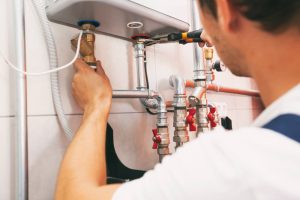
- Hot water heater – The hot water heater holds and heats water to supply hot water on demand to fixtures. Gas and electric tank heaters are most common.
- Water pressure regulators – These devices control water pressure coming into the home if it’s over 80 psi. High pressure can damage plumbing.
- Isolating valves – Shutoff valves for hot and cold water lines allow sections of plumbing to be isolated for repairs.
- Thermostatic mixing valves – Mixing valves blend hot and cold water to prevent scalding and keep fixture water temperature consistent.
Leaks – Signs and Fixes
Detecting and fixing minor leaks early prevents water damage and mold risks. Warning signs include:
- Visible water or dripping
- Unexplained increased water bills
- Mold or moisture in unusual locations
- Sounds of running water when fixtures are off
Locate leaks by systematically shutting off water to sections of plumbing and checking meter movement. Common leak trouble spots include pipe joints, elbows and tee fittings, fixtures valves and connections, and shower or tub spouts.
Depending on the leak cause and location, fixes may involve tightening fittings, replacing worn washers or gaskets, replacing pipe sections, soldering copper joints, or resealing fixtures.
Drainage Plumbing
Proper drainage for wastewater from sinks, tubs, showers, and other fixtures is critical to prevent backups, flooding, and unhealthy conditions.
Main Drain Line
The main drain line carries wastewater and sewage out of the home. Key points:
- Runs from a home’s lowest level and is often close to 3 or 4 inches in diameter
- Sloped 1/4 inch per foot to allow waste to drain by gravity
- Usually made of PVC pipe or cast iron in older homes
- Connects to the municipal sewer line or private septic tank
Venting System
The plumbing vent system allows air into drain lines so wastewater can flow freely.
- Stack vents – Main vents attached to largest drain lines
- Branch vents – Smaller vents on individual sink, tub, and other drains
- Allows wastewater to drain properly and prevents gurgling
Clogs and Backups
Clogged drains prevent wastewater from leaving properly. Warning signs include:
- Slow draining water
- Gurgling sounds
- Sewage odors
- Water pooling around floor drains
Clogs in fixture drains often involve hair, grease, soap residue, and other debris. Main drain clogs can be caused by tree roots or a collapse in older pipe sections. Professional drain cleaning, inspection, and repair may be needed in cases of recurring clogs or sewage backups.
Fixtures and Appliances
Plumbing fixtures and appliances supply water, drain wastewater, or both. Knowing how to install, repair, and maintain them properly keeps plumbing systems working efficiently.
Types of Fixtures
Common plumbing fixtures in bathrooms and kitchens include:
- Toilets – Toilets flush waste using siphon jet or wash-down flushing mechanisms that require specific replacement parts. Low-flow toilets use 1.6 gallons per flush.
- Faucets – Faucets include single-handle, centerset, widespread, and wall-mount styles with cartridge, compression, ball, or disc mechanisms that need matching repair parts.
- Showers and tubs – Showers and tubs may have separate or integrated overflow and drain assemblies that can leak or clog over time.
- Sinks – Bathroom and kitchen sinks come in different installation types, with side sprayers, soap dispensers, garbage disposals and other features needing occasional repair.
- Garbage disposals – Electric garbage disposals grind food waste to join drain water flow. Problems include jamming, humming noises, leaks, or failure to turn on.
- Appliances – Dishwashers, washing machines, ice makers, and other water-using appliances connect to plumbing systems and have supply lines and drain connections that can leak or clog.
Installation and Repairs
When installing or repairing sinks, toilets and other plumbing fixtures:
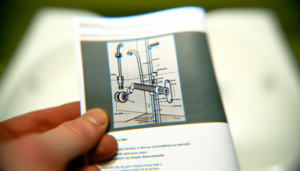
- Use manufacturer instructions for proper procedures
- Ensure watertight seal of all connections
- Secure components according to specifications
Upgrading to WaterSense toilets, faucet aerators, and other high-efficiency fixtures improves water conservation.